
Diabetes develops when your body’s cells are unable to absorb sugar (glucose) and utilise it for energy. Extra sugar builds up in your system as a result of this.
Diabetes is a chronic disease that develops when the pancreas stops producing insulin or when the body’s insulin isn’t properly utilised.
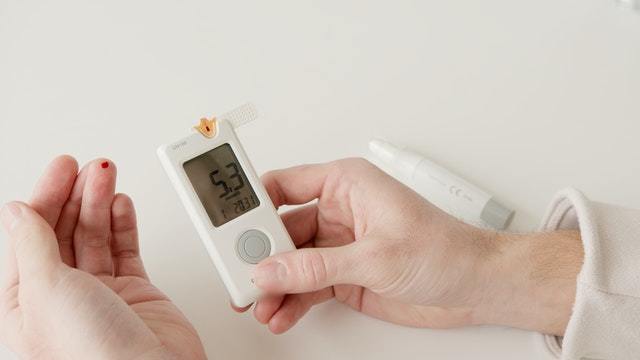
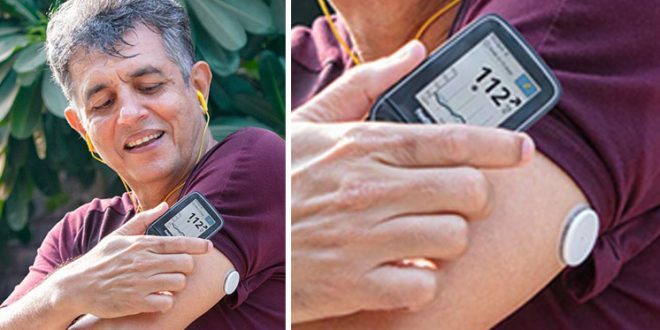
You can monitor your blood glucose with a glucometer.
Types Of Diabetes
Type 1 Diabetes
Type 1 diabetes is an autoimmune illness, which means your body is attacking itself. The insulin-producing cells in your pancreas are damaged in this situation. Type 1 diabetes affects up to 10% of patients with diabetes. It’s most commonly found in children and young adults (but can develop at any age.
Buy BeatO CURV Smartphone Connected Glucometer Machine FREE 10 Strips & 10 Lancets from Amazon today

It used to be called “juvenile” diabetes. People with Type 1 diabetes must take insulin on a daily basis. It’s also known as insulin-dependent diabetes because of this.
Type 2 Diabetes
Type 2 diabetes occurs when your body either does not produce enough insulin or when your cells do not respond to insulin properly. Diabetes mellitus is the most frequent form of the disease. Type 2 diabetes affects up to 95% of diabetics. It mainly affects persons in their forties and fifties. Type 2 diabetes is also known as adult-onset diabetes or insulin-resistant diabetes.
Prediabetes
Prediabetes is a stage prior to the onset of Type 2 diabetes. In this condition, your blood glucose levels are higher than normal, but not high enough for Type 2 diabetes to be diagnosed.
With enough precautions and care, one can reverse prediabetes.
Gestational Diabetes
Some women develop this kind during their pregnancy. Gestational diabetes normally disappears following the birth of a child. If you have gestational diabetes, however, you’re more likely to develop Type 2 diabetes later in life.
Complications Related to Diabetes
Diabetics are at a higher risk of having a variety of major health conditions. High blood glucose levels over time can lead to significant disorders of the heart and blood vessels, as well as the eyes, kidneys, nerves, and teeth. In addition, people with diabetes are more likely to contract infections.
Diabetes is a leading cause of cardiovascular illness, blindness, kidney failure, and lower limb amputation in practically all high-income countries.
Types of diabetes that are less frequent include:
- Monogenic diabetes syndromes are uncommon hereditary forms of diabetes that account for 4% of all occurrences. Neonatal diabetes and young-onset diabetes are two such examples.
- Cystic fibrosis-related diabetes is a type of diabetes that only affects persons who have the condition.
- Drug- or chemical induced diabetes: This type of diabetes can occur after an organ transplant, as a result of HIV/AIDS treatment, or as a result of glucocorticoid steroid use.
Diabetes – Risk Factors
The following are some of the risk factors for Type 1 diabetes:
- Family history
- Pancreatitis
- Rare illnesses that can damage your pancreas
The following are some of the risk factors for Type 2 diabetes:
- Obesity
- Insulin resistance
- Gestational diabetes
- Inactive lifestyle
- Family history
- Age
What is the procedure for diagnosing diabetes?
Your glucose level in a blood test is used to diagnose and manage diabetes. Fasting glucose test, random glucose test, and A1c test are the three tests that can be used to determine your blood glucose level.
- Fasting plasma glucose test: After an eight-hour fast, this test is best performed in the morning (nothing to eat or drink except sips of water).
- Plasma glucose test at random: This test can be performed at any time and does not need fasting.
- The A1c test, commonly known as the HbA1C test or the glycated haemoglobin test, determines your average blood glucose level during the previous two to three months.
Buy BeatO CURV Smartphone Connected Glucometer Machine with FREE 25 Strips & 25 Lancets from Amazon today
What is the treatment for diabetes?
Treatment for diabetes is determined by the type of diabetes you have, how well your blood glucose level is controlled, and any other medical issues you may have.
Diabetic type 1 (T1D): You must take insulin every day if you have this type. Insulin is no longer produced by your pancreas.
If you have type 2 diabetes, your treatments may include drugs (both for diabetes and for diseases that are risk factors for diabetes), insulin, and lifestyle modifications such as decreasing weight, eating healthier and exercising more.
Prediabetes: If you have prediabetes, your goal is to avoid becoming diabetic. Treatments are centered on reversible risk factors, such as decreasing weight with a healthy diet (such as the Mediterranean diet) and regular exercise (at least five days a week for 30 minutes). Many of the diabetes prevention measures are also advised for diabetic treatment (see prevention section of this article).
Consult with the diabetes specialist to control diabetes!
Buy Glucometer now: https://www.beatoapp.com/c/glucometer-sugar-testing-machine




 Just for Information